

Tweetworthy: Meal Snap Calorie Counter, Toyota Jailbreaks, iAd Gallery, and More
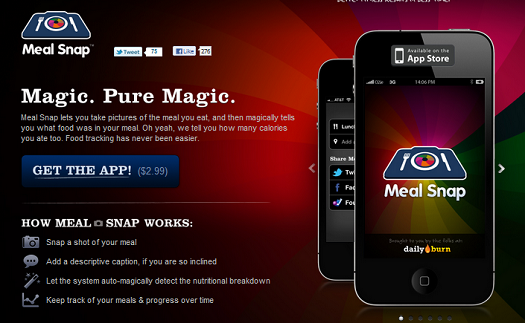
1. Too Lazy To Count Calories? Now You Can Just Take A Picture Of Your Meal
"While the company chalks it up to 'magic', we’re assuming they’ve got a handful of people (be it through Amazon’s Mechanical Turk, or a room full of dudes promised free Internet in exchange for calorie counting) breaking down the meal in your picture item by item. Snap a shot of a chicken salad? They punch in some chicken, some lettuce, maybe some dressing — and bam, they’ve got a rough estimate."
2. Designing for second screens: The Autumnwatch Companion
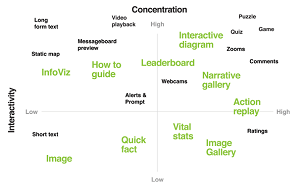
"We were interested to see how much of the existing online content could be reused, which was easy for the species and habitat information drawn from the BBC Wildlife Finder, but articles and blog posts had to be simplified. This gave us the opportunity to experiment with presentation formats and interactions, including diagrams, image galleries and animations."

3. Unofficial app store Cydia lands advertising from Toyota
"This is the first major corporation we have seen put direct positive attention into the jailbreak scene, developing specifically for it and addressing this large userbase. Could this be a turning of the tide for the previously 'outlaw' jailbreak community?"
4. Did I mention how much I love Instagram?
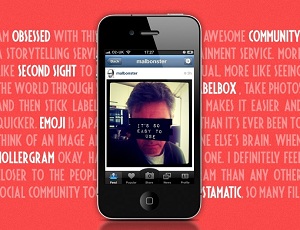
"You see something, you whip out your iPhone. You take a shot and then you send it directly to someone else's brain. It's over in seconds (most of the time). It's sharing at the speed of thought, almost. Flickr isn't like that. In fact, I think Instagram makes it easier and quicker than it's ever been to think of an image and send it into someone else's brain. This is a huge deal, since we are primarily visual creatures."
5. What a Provider's Mobile Phone Logs Reveal about You
"German politician Malte Spitz sued his mobile provider to receive his personal phone data of over 6 months, to prove how this information, combined with other publicly available facts, such as from Twitter feeds, blog entries and website stories, can reveal much more than one wishes for. German newspaper 'Die Zeit' and computational journalism company OpenDataCity then rendered this data on an animated map with interactive timeline."
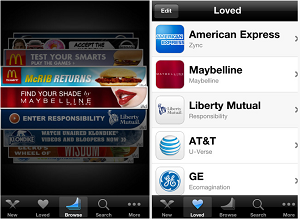
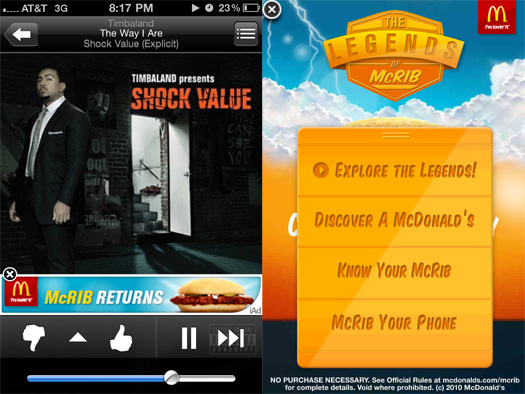
"The iAd Gallery is a celebration of advertising, featuring iAd campaigns from some of the world's best brands and their advertising agencies. The iAd Gallery gives you easy access to a selection of the fun and informative ads that have run in some of your favorite apps."
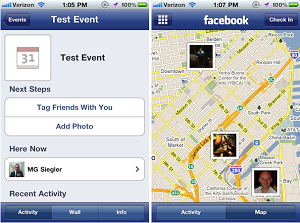
7. Facebook For iPhone Gets Event Check-Ins
"To be able to check-in to an event you have to (obviously) be invited and RSVP’d 'yes' to attending. Your location also has to match the location of the listed event venue, and it has to be the correct time of the event. All of this will presumably help dissuade gaming."

8. In a New Web World, No Application Is an Island
"'Right now, we’re in a native apps world,' says John Lilly, a venture partner at Greylock Partners, a venture capital firm in Silicon Valley. 'But people are underestimating the power of the Web. I think we’re going to see an explosion of Web-based apps over the next couple of years.'"

9. TV-Tagging App IntoNow Tries to Kickstart Discussions With New Release
"The startup is accommodating users with a discuss button they can hit to start public discussions with everyone; they can also use the button to initiate more private chats with just friends. Users can strike up conversations around series, movies and single episodes. While not as fluid as instant messaging, the discussions feature is real-time; and users are notified as new comments pour in."

10. Shall I Buy
"Shall I Buy is a mobile application that allows users to log and share their purchase intentions and get instant feedback from friends."
Tweetworthy is a weekly roundup of the most shared tweets from @MobileBehavior. You can follow us on Twitter here.